By Rufus editorial team · Last verified [date] · Current release [tag]
Trust doors
Prefer rufus.ie, GitHub Releases, or winget install -e --id Rufus.Rufus. Licence GPL-3.0-or-later. Public source on pbatard/rufus.
Signing and SmartScreen
Official Usage says the executable is digitally signed and modern builds should state Akeo Consulting. SmartScreen may still warn on a first run of a newly downloaded file. Prefer official doors so the hash matches upstream.
What writing a USB means
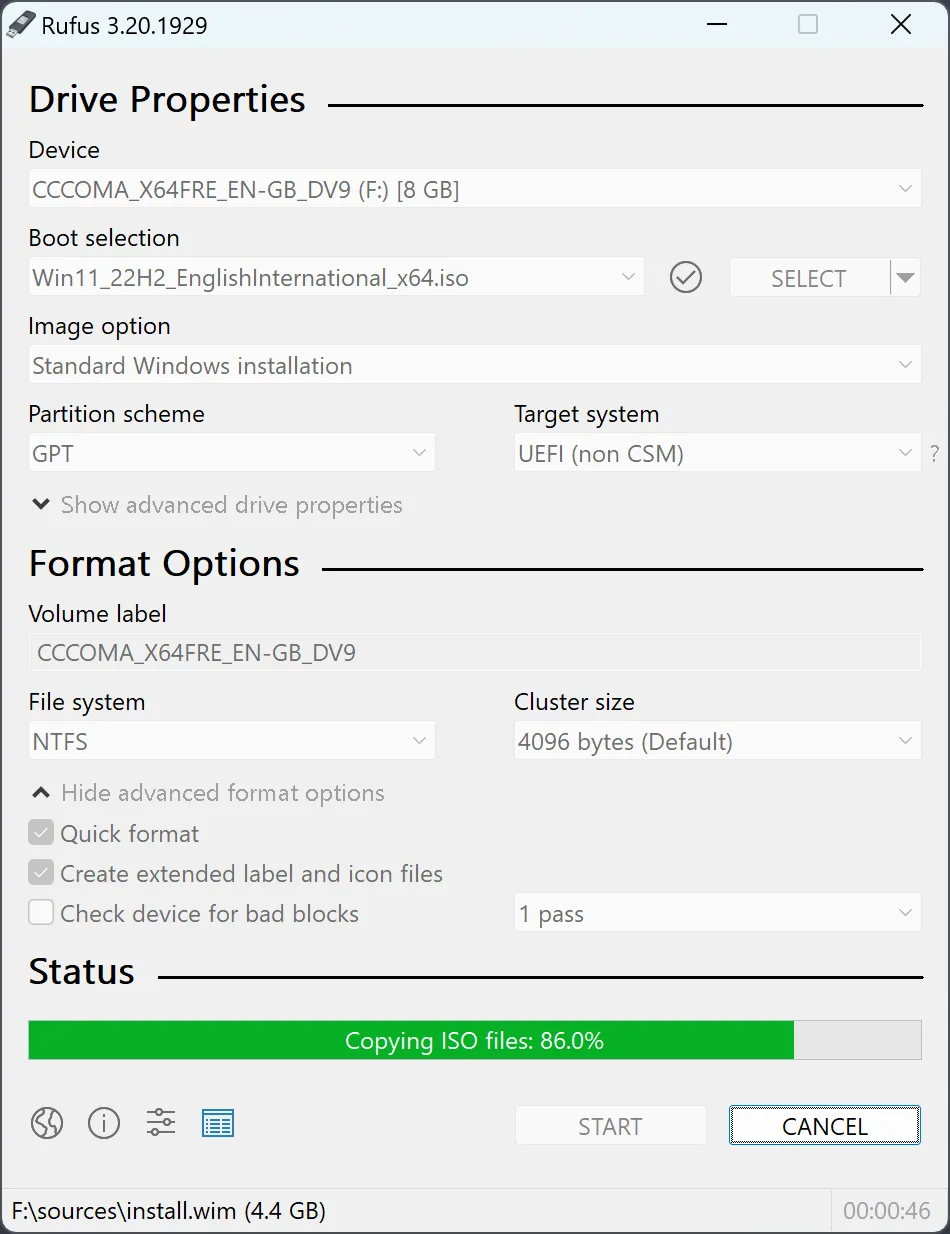
START erases the selected flash drive. That is expected. Keep personal files off the stick you plan to wipe. Download safe. First run.
Keep the install door honest
Prefer winget id Rufus.Rufus or the current standard rufus-*.exe from rufus.ie or GitHub Releases for pbatard/rufus. Confirm App Installer when winget is missing, then retry the same command on Windows. Skip Softonic-style wrappers that rename the setup before the official file arrives. After install, open Rufus once, pick a spare USB, and write one trusted ISO before a recovery stick. Related routes: releases map, download-safe path, for this computer, and the Windows install guide.
Practical checks before you rely on it
Open a new Windows Terminal after install so PATH updates from App Installer can load. When you use winget, you can run winget show with the package id to confirm the manifest still points at an official InstallerUrl. When winget is unavailable, open the official download table and take the Windows standard exe whose name matches the expected pattern.
Keep personal documents off the first USB write test. Use a throwaway stick under your desk drawer or a temporary drive you can erase. That habit makes Device selection mistakes obvious before you touch a drive that still holds photos.
Dialog habits that prevent surprises
The Device list and Boot selection cover most desks. Partition scheme and Target system must match the firmware mode you will boot. Cancel if you did not expect a destructive warning on that sample. After START finishes, open the stick in Explorer only when the image type expects a visible volume.
Confirm App Installer from Microsoft when the package manager command is missing. Reopen Terminal after App Installer lands, then retry the documented line. Checksums, when published, live next to assets on GitHub Releases. Read LICENSE.txt before you redistribute a modified build under GPL terms.
SmartScreen may warn on a freshly downloaded executable. Prefer the official homepage, GitHub Releases, or Windows Package Manager so the file matches upstream. Stop if a blog asks you to disable protections for an unknown publisher before the official package arrives.
Network blips on multi-gigabyte Windows images are common enough that a hash step pays for itself. A failing bad-blocks check is a hardware problem; replace the stick rather than rewriting installers to a drive that fails verification.
Extra calm notes for Windows desks
Confirm App Installer from Microsoft when the package manager command is missing. Reopen Terminal after App Installer lands, then retry the documented line. Checksums, when published, live next to assets on GitHub Releases. Read LICENSE.txt before you redistribute a modified build under GPL terms. Keep personal photos off the spare stick you plan to erase.
Fleet pins and calm retries
If your workplace already pins the package through Intune or another catalog, use that channel and skip random search ads. Catalog lag can trail a fresh upload on GitHub, so public copy says the current release rather than a dotted pin in static HTML.
When elevation prompts appear, read them before you accept. The write destroys data on the selected Device. A successful first write on a spare stick is a better test than stacking three different downloads from three mirrors.
Firmware boot order changes after the status line finishes. Use the one-time boot menu when you only need a single install pass. Keep the ISO file you used so you can rebuild the stick later without hunting a new download.
Signed builds should show Akeo Consulting when you inspect file properties on modern Windows. Prefer the official homepage, GitHub Releases, and Windows Package Manager over Softonic-style wrappers that rename the file or bundle toolbars.
Sharing finished media without drama
Label spare sticks with the OS name and write date. Keep photo dumps on different hardware. Prefer official homepage and GitHub Releases bookmarks in your team wiki.
Confirm App Installer when the package manager is missing. Reopen Terminal after App Installer lands. Retry the documented line rather than a search-ad helper.
Checksums, when published, live next to assets on GitHub Releases. Read LICENSE.txt before redistributing modified builds under GPL terms.
Frequently asked questions
Where should I download?
Prefer rufus.ie, GitHub Releases for pbatard/rufus, or winget id Rufus.Rufus. Skip Softonic-style wrappers that rename the setup before the official file arrives. Confirm App Installer when winget is missing, then retry the same command on Windows.
Who signs the exe?
Modern builds should show Akeo Consulting per official Usage notes. Confirm App Installer when the package manager is missing, then retry the same command on Windows. Skip Softonic-style wrappers that rename the setup before the official file arrives. Prefer the official homepage, GitHub Releases, or Windows Package Manager for the next update.
Where should I download Rufus?
Prefer rufus.ie, GitHub Releases for pbatard/rufus, or winget id Rufus.Rufus. Skip Softonic-style wrappers that rename the setup before the official file arrives. Confirm App Installer when winget is missing, then retry the same command on Windows.